Integrating the Made for the Fridge Door Design into Your Creative and Home Workflows
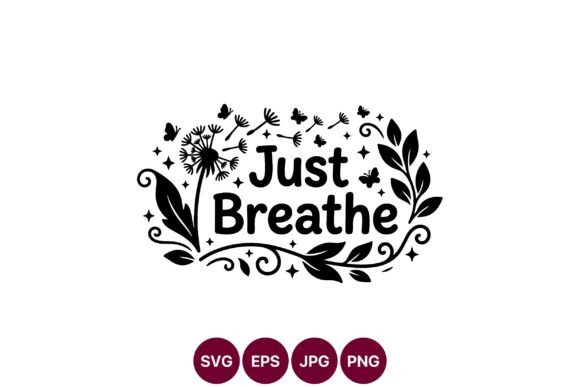
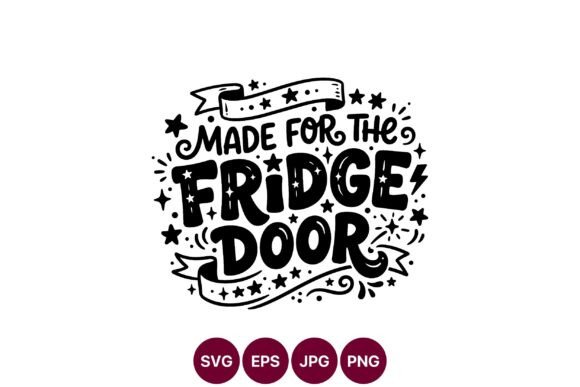
In the realm of digital design and home decor, efficiency often hinges on having the right assets ready at the right time. The Made for the Fridge Door Design is not merely a decorative graphic; it is a versatile digital asset that serves multiple functions across various creative and domestic workflows. Featuring hand-drawn decorative lettering with stars and swirl embellishments in a high-contrast black and white vector style, this artwork bridges the gap between whimsical charm and professional utility. For professionals, creators, and homeowners alike, understanding how to integrate this specific design into broader projects can streamline production, enhance aesthetic consistency, and provide immediate value.
Understanding the Asset Structure and Quality
Before deploying any digital asset, it is crucial to understand its technical foundation. This design is delivered as a comprehensive ZIP folder containing SVG, PNG, JPG, and EPS files. This multi-format approach ensures compatibility with virtually any software ecosystem, from basic word processors to advanced vector editing suites. The core strength of this asset lies in its 100% vector nature within the SVG and EPS files. Unlike raster images that pixelate when enlarged, these vector files allow for sharp results at any size. Whether you are printing a small sticker or a large wall mural, the lines remain crisp, and the black-and-white contrast stays distinct.
The hand-drawn aesthetic adds a layer of authenticity that purely geometric fonts often lack. The inclusion of stars and swirl embellishments provides visual interest without overwhelming the primary message. For marketers and bloggers, this means the image can serve as a focal point in social media graphics or blog headers without requiring extensive modification. The high-contrast black and white palette ensures that the design remains legible and impactful regardless of the background color chosen during the implementation phase.
Pre-Production Planning and Compatibility Checks
Effective use of the Made for the Fridge Door Design begins with preparation. In a professional workflow, this involves assessing where the asset fits within your current project timeline. If you are a small business owner creating packaging for kitchen-related products, this design can serve as a thematic anchor. Before starting, verify that your design software supports the provided file types. Most modern tools, including Adobe Illustrator, CorelDRAW, Inkscape, and Canva, handle SVG and EPS files seamlessly. However, checking compatibility early prevents bottlenecks later in the process.
Organization is key during this phase. Create a dedicated folder for your kitchen decor assets and place the unzipped contents there. Labeling files clearly—for instance, distinguishing between the editable vector files and the static raster images—saves time when you need to make quick adjustments. For educators or publishers compiling resources, having these files organized allows for rapid retrieval when designing worksheets, classroom decorations, or instructional materials related to home economics or art.
Implementation in Digital and Print Workflows
Once prepared, the integration of this design into your workflow can take several paths. For digital creators, the PNG and JPG files offer plug-and-play convenience. These formats are ideal for web use, email newsletters, or social media posts where quick turnaround is essential. You can overlay the black and white graphic onto colored backgrounds to create vibrant contrasts that catch the eye. This is particularly useful for bloggers writing about kitchen organization, recipe sharing, or home renovation tips. The design acts as a visual break in text-heavy content, improving readability and engagement.
For print-based projects, the SVG and EPS files are indispensable. Small business owners producing merchandise such as tote bags, aprons, or mugs will find the vector format essential for screen printing or vinyl cutting. The clean lines of the hand-drawn lettering translate well to physical mediums, ensuring that the final product looks professional. When using this design for kitchen decor prints, consider the scale. Because the artwork is scalable, you can test different sizes on your printer before committing to a final run. This iterative process helps maintain quality control and ensures that the stars and swirls do not become too dense or too sparse at different dimensions.
Enhancing Efficiency Through Reusability
One of the most significant advantages of incorporating the Made for the Fridge Door Design into your toolkit is its reusability. Unlike custom commissions that are often one-off solutions, this asset can be repurposed across multiple projects. A freelancer might use the design in a client’s branding package, then adapt it for their own portfolio showcase. An entrepreneur could use it as a template for a series of kitchen-themed quotes, simply changing the text while keeping the decorative elements consistent. This consistency builds brand recognition and reduces the time spent on creating new graphics from scratch.
Moreover, the black and white color scheme offers flexibility in post-production. You can easily recolor the vector elements to match specific brand guidelines or seasonal themes. For instance, changing the black lines to a deep navy or forest green can give the design a fresh look without altering its fundamental structure. This adaptability makes the asset a long-term investment rather than a single-use item. It interacts smoothly with other design resources, allowing you to layer it with textures, photos, or additional graphical elements to create complex compositions.
Quality Control and Final Output Considerations
As you move toward the final stages of your project, attention to detail becomes paramount. When exporting files for print, ensure that you are using the high-resolution settings supported by the vector source. Check for any unintended gaps in the lines or overlapping paths that might affect cutting machines or printing presses. For digital use, optimize the PNG and JPG files for web performance to ensure fast loading times without sacrificing visual clarity. This balance between quality and efficiency is critical for maintaining a professional standard in your work.
Feedback loops are also part of a robust workflow. If you are using this design for a client project, share proofs early to confirm that the hand-drawn style aligns with their vision. The whimsical nature of the stars and swirls may appeal to some audiences more than others, so understanding your target demographic is essential. Adjustments can be made easily thanks to the vector format, allowing for fine-tuning of spacing or element placement before final approval.
Long-Term Value and Strategic Integration
Beyond immediate projects, the Made for the Fridge Door Design holds long-term value for those who prioritize organized and efficient creative processes. By adding this asset to your permanent library, you build a repository of reliable resources that can be deployed at a moment’s notice. This reduces decision fatigue and accelerates project initiation. For hobbyists and productivity-minded users, having such versatile tools on hand encourages experimentation and creativity without the barrier of starting from zero.
In educational settings, this design can be used to teach principles of typography, vector graphics, and layout design. Students can analyze how the hand-drawn elements interact with the text, learning about balance and visual hierarchy. For marketers, it serves as a case study in how simple, high-contrast designs can convey warmth and personality effectively. By integrating this asset into your regular workflow, you not only enhance the aesthetic quality of your outputs but also refine your operational efficiency.
Ultimately, the success of using this design depends on how well it aligns with your specific goals and processes. Whether you are decorating a home, branding a business, or creating educational content, the Made for the Fridge Door Design offers a blend of artistic charm and technical precision. By following a structured approach to preparation, implementation, and quality control, you can maximize the potential of this versatile asset and achieve consistent, high-quality results in all your endeavors.